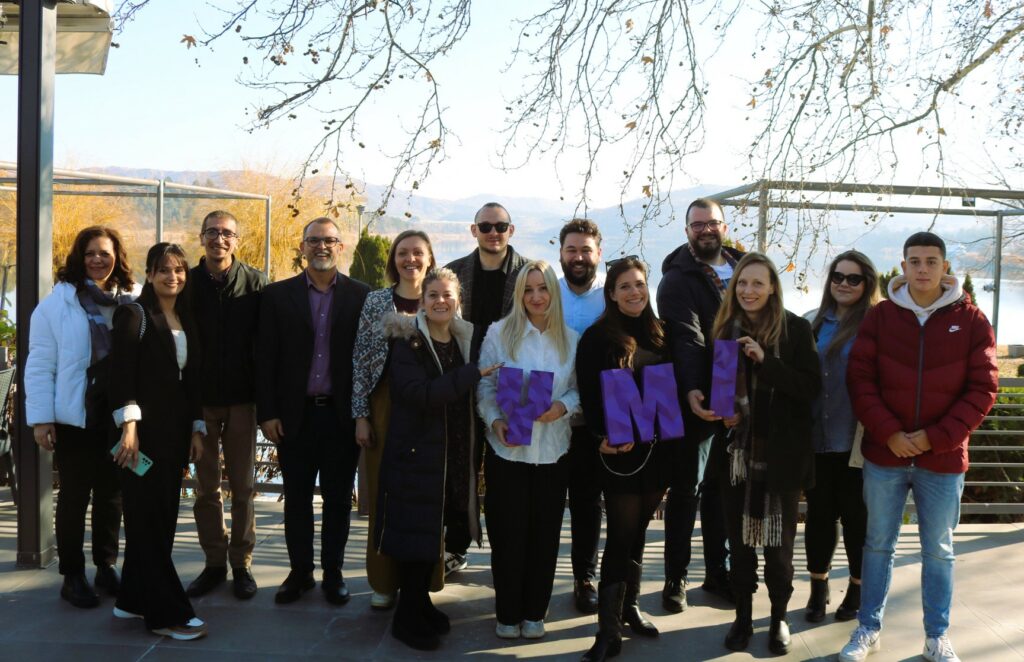
Educators, youth workers, representatives from the Ministry of Education, and NGO leaders from across the Balkans gathered in Veles, N. Macedonia for a two-day event organized by the Center for Research and Policy Making and CARE International Balkans.
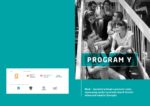
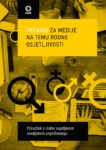
This Regional Community of Practice event brought together front-line workers, including school staff, educators, and trainers, to share experiences and best practices for integrating Program Y and M into school and community settings. Participants collaborated, exchanged ideas, and discussed effective strategies to enhance youth engagement and promote gender equality, nonviolence, and healthy lifestyles within educational environments. The event aimed to foster a supportive network that empowers educators to implement Life Skills Education programming effectively, ultimately benefiting students and their communities.
Bringing Best Practices to the Forefront
The event began with an opening panel featuring inspiring insights from partner organizations across the Balkans, including Act for Society Centre (Tirana), SPIN okret (Mostar), SIT (Pristina), and Status M (Zagreb). Discussions revolved around the integration of life skills education into school curricula through Program Y(outh) and M(en). Panelists shared practical approaches to embedding these programs in educational systems, addressing cultural barriers, and fostering positive attitudes toward masculinity and gender equality.
Keynote speakers highlighted success stories from Program M and Y, emphasizing their impact on youth development and the promotion of nonviolence. In-depth discussions explored N. Macedonia’s achievements, with local organizations presenting their efforts to engage young people through initiatives like Be a Man clubs and educational workshops. The project is being implemented in partnership with youth organizations such as Youth Can, Organized Youth Association, Kreaktiv, Zdruzenie Akva, and Local Community Development Foundation in Shtip.
Collaboration and Innovation
Interactive sessions, such as World Café discussions, allowed participants to brainstorm ways to tailor life skills programs to vulnerable youth, utilize youth clubs for engagement, and position schools as community hubs for promoting gender equality and nonviolence. These discussions yielded actionable strategies for overcoming challenges, including addressing parental prejudices and securing policy support.
The participation of the Ministry of Education added significant value to the event. Their presence underscored the importance of institutional support in integrating life skills education and provided valuable insights into aligning these initiatives with national education policies.
The screening of the short film “Dear Me” offered a powerful narrative, following young men from Belgrade as they grew into advocates for gender equality through the YMI programs with support from Centre E8. This moving piece underscored the transformative potential of these initiatives.
Building Momentum for Change
As the event concluded, participants collaboratively developed roadmaps for scaling up life skills education in N. Macedonia. Discussions emphasized the importance of integrating these programs into formal curricula, securing resources, and addressing societal resistance. The event demonstrated the power of regional collaboration in driving meaningful change and left attendees inspired and equipped with innovative solutions to empower young people.
By bringing together educators, civil society organizations, and policymakers, this event showcased the impact of teamwork and dedication in tackling gender-based violence and fostering positive societal change. Together, we are shaping a generation committed to building peaceful and equal societies across the Balkans.
Supported by